The LiT List
Glamping & Camping Ideas + Resources
How to Insulate a Canvas Tent: Find Where Heat Escapes and Stop It
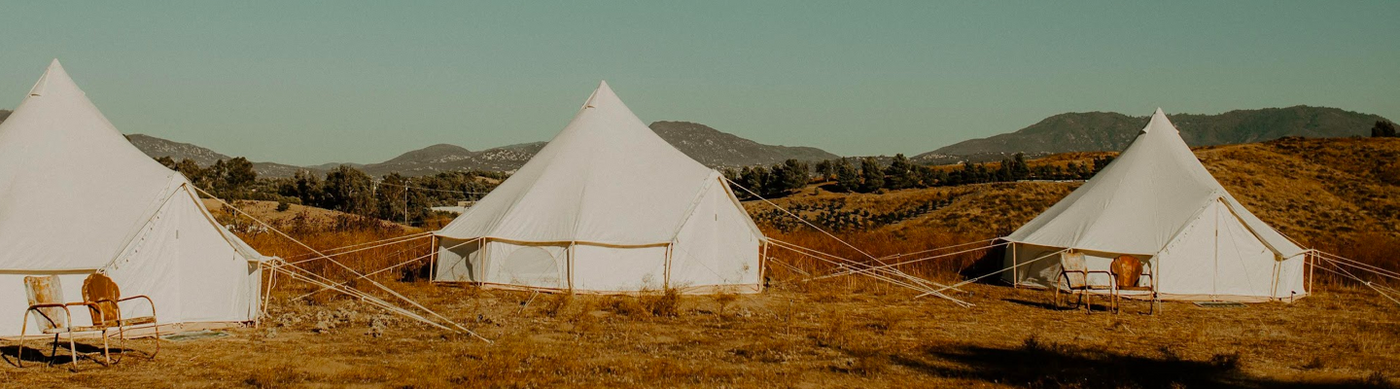
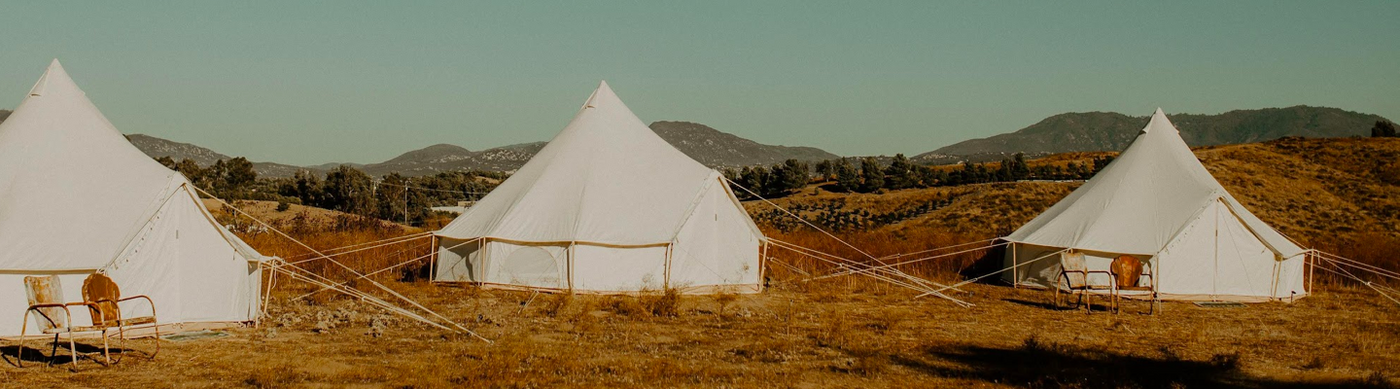
A canvas tentis a single layer of fabric between you and the weather. That's part of its charm: it breathes, it glows in the evening light and it feels connected to the outdoors. But on a cold night, that single layer means heat escapes in more ways than most campers realize.
The good news: you don't need a special "insulated tent." Think of your tent like a small cabin. Find where the heat is escaping, fix the biggest leaks first, and a canvas tent can stay remarkably cozy. This guide walks through each leak, from the ground up, with practical fixes and a few creative ideas.
Key Takeaways
Insulate in this order: floor first (tarp, groundsheet, foam, rugs and cots), then drafts (close doors and windows, block the wall base), then the walls (light wool blankets or tapestries, a gear wall) and the roof (a fly cover on the outside, roof vents kept clear). Add a heat source, and always keep a vent cracked. Never seal a tent airtight, hang anything heavy from the center pole or put insulation near a stove.
Jump to
- Where your tent loses heat
- 1. Insulate the floor
- 2. Stop drafts
- 3. Insulate the walls
- 4. Cover the roof
- 5. Make a smaller warm zone
- 6. Add a heat source
- Good, better, best setups
- Mistakes to avoid
- FAQ
Related: Hot Tent Camping Guide · 10 Tips for Staying Warm · Preventing Condensation · Shop 4 season tents
Where Your Tent Loses Heat
Before you add anything, it helps to know where the warmth goes. In a canvas tent, heat escapes four main ways:
- Through the floor. The cold ground pulls heat out of everything touching it: your floor, your bed and your feet. This is usually the biggest and most noticeable loss, especially overnight.
- Through drafts. Cold air slips in through open doors and windows, gaps at the base of the walls, and the door when people come and go. Warm air slips out the same way.
- Through the walls. A single layer of canvas doesn't hold much heat, and wind blowing against it carries warmth away quickly.
- Through the roof. Warm air rises and collects at the top of the tent, and the roof takes the brunt of rain, snow and wind.
Fix them in that order. The floor and drafts give you the biggest difference for the least money.
1. Insulate the Floor (Your Biggest Win)
Build your floor in layers, from the ground up:
- A ground tarp or footprint underneath. It keeps ground moisture off your tent floor, and damp floors feel much colder. Our bell tent footprints are cut to fit, so they don't stick out and catch rain.
- Your tent's groundsheet. Make sure it's clean and dry before you add layers.
- A layer of foam or reflective insulation. Interlocking foam floor tiles (like gym or puzzle mats) or reflective bubble insulation laid flat on the floor make a big difference. Keep foam and foil-faced products well away from the stove area, since they can melt.
- Rugs on top. Rugs add warmth underfoot and make the tent feel like a home. Layer them. Two rugs are warmer than one. See our bell tent rugs and mats.
- Get your bed off the ground. Cots, raised beds or a thick insulated sleeping pad keep you away from the cold floor all night. Look at a pad's R-value. For winter, R-4 or higher is a common recommendation, and you can stack pads to add warmth.
- Sheepskins or wool blankets on top of your cot or pad add another warm layer right where you sleep.
- For long setups, use a platform. A raised wooden deck keeps you off frozen ground. If wind can blow underneath, add skirting around the edges.
2. Stop Drafts
- Close the doors and windows. It sounds obvious, but it's one of the most effective things you can do. Zip windows closed and keep the door shut as much as you can. Leave just one vent cracked for fresh air.
- Face the door away from the wind when you pitch.
- Add a door curtain. A blanket on a freestanding rack or room divider just inside the door blocks the blast of cold air every time someone comes in.
- Seal the base of the walls. Cold air sneaks in where the walls meet the ground. Outside, pack a low berm of snow around the base of the tent, or line it with straw bales for long winter setups. Keep straw well away from the chimney.
- Build a windbreak. Pitch near trees or a slope that blocks the wind, or park your vehicle on the windy side.
- Pitch it tight. A taut tent doesn't flap, and flapping canvas pumps warm air out.
3. Insulate the Walls (Get Creative)
The walls are where you can have some fun. Lining them adds a second layer that traps a pocket of air against the canvas, and it makes the tent feel cozier too. People have lined tents and yurts with textiles for centuries.
What to use:
- Wool blankets or moving blankets. Wool is a great choice. It stays warm even when damp and naturally resists catching fire better than synthetics. Moving blankets are an inexpensive option.
- Lightweight woven rugs, kilims or tapestries. Flat-weave textiles insulate and look beautiful. Save heavy rugs for the floor.
How to hang them (without poking holes in your canvas):
- Use the loops at the top of the walls. If your tent's walls unzip from the floor and roll up, like on our Fernweh bell tents, there are loops or D-rings at the top of the walls where the roll-up ties attach. Run a light cord around the tent through those loops, then hang blankets over the cord or clip them on with clothespins or curtain clips, so they drape down the inside of the walls.
- Use freestanding supports. A clothing rack, a curtain rod on two stands, a folding room divider or a blanket ladder can stand along a wall with a blanket or tapestry draped over it. This works in any tent and puts no weight on the tent at all.
- Keep it light. Lightweight blankets and flat-weave textiles only. Heavy rugs strain the wall seams and loops.
- Leave a small gap between the blanket and the canvas if you can. That trapped air is what insulates.
- Skip nails, pins, tape and adhesive hooks. They damage canvas, or won't stick to it.
More wall ideas:
- Build a "gear wall." Line the walls with storage bins, trunks, a bookshelf or bags of gear. Anything between you and the canvas acts as a buffer against cold and wind.
- Stand insulated screens along the walls. For long-term setups on a platform, freestanding panels or folding screens lined with wool or felt can stand just inside the walls, especially behind beds. Choose breathable, fire-resistant materials over foam boards, and keep any panel well away from the stove.
- Stack straw bales outside the walls for semi-permanent winter setups. They block wind and insulate the lower walls. Keep them clear of the chimney and away from any heat source.
- Bank snow against the base outside. Snow is a surprisingly good insulator. A low bank around the bottom of the walls helps, but don't pile it high against the canvas, and clear it away before it gets heavy or icy.
A note on breathability: canvas breathes, and that's what helps it handle condensation. Insulate with breathable materials like wool, cotton and felt. Avoid covering the inside walls with plastic, tarps, foil or foam boards, which trap moisture against the canvas. Take blankets down to air out after damp nights, and always keep blankets, rugs and panels at least 18 inches from the stove and pipe.
4. Cover the Roof (From the Outside)
A bell tent roof doesn't have loops or rings for hanging anything inside, and that's fine. The roof is best insulated from the outside, and the roof vents should stay clear. They let a little heat out, but they're also how moisture escapes, and blocking them leads to condensation dripping from the ceiling.
- Add a fly cover. A fly creates a layer of air between it and your roof, which helps hold in warmth and blocks wind, rain and snow. It also protects your canvas during long setups. See our bell tent fly covers. If you use a wood stove with a roof stove jack, check whether your fly works with your stove pipe.
- Push warm air back down. Heat rises and collects at the top of the tent. A small, lightweight battery fan that clips or clamps onto the center pole, or hangs from the welded ring most bell tent poles have partway down from the top, can be aimed down to spread warm air back to where you're sitting and sleeping. The same fan keeps air moving on hot summer days. Or get a fan that clips to a pole.
- Keep anything on the center pole light. The center pole already carries the weight of the canvas, plus rain or snow. Only hang light things from it, like a small fan or lantern. Never hang heavy blankets or anything that pulls on the pole, especially if snow is possible.
- Don't insulate the inside of the roof. Draping fabric from the center pole out to the walls cuts your headroom, puts extra weight on the pole and can block the roof vents.
- Don't count on snow as roof insulation. Snow on the roof adds a lot of weight, and we've seen center poles bend and break under it. Clear it off. Read using a bell tent in the snow.
5. Make a Smaller Warm Zone
A big tent takes a lot of heating. On very cold nights, shrink the space you're warming:
- Set up a freestanding room divider or a curtain on a stand to close off part of the tent, and gather everyone in the warm half. Use a freestanding divider rather than hanging one from the center pole, which adds weight to the pole.
- Group beds together so you share warmth.
- Put a canopy over the bed. A freestanding canopy frame with a light fabric cover over a bed or cot holds in body heat, like an old four-poster bed.
6. Add a Heat Source
Insulation holds heat in, but you still need to make heat. Your options:
- A wood stove is the best way to heat a canvas tent for long cold nights. You'll need a tent with a stove jack, like our hot tents. Start with our hot tent camping guide.
- An electric heater is simple and safe if you have power at your site.
- An indoor-rated propane heater works for short warm-ups, with ventilation, and never while you sleep. Read can you use a propane heater in a tent?
- Heat yourself. A hot water bottle in your sleeping bag, a warm drink before bed and dry clothes for sleeping all help.
Heated Blankets and Portable Power
A heated blanket or heated mattress pad is one of the coziest ways to stay warm overnight, especially after the stove has burned down. It adds no moisture and no carbon monoxide, and with a portable power station you don't need a campsite hookup.
Your options:
- 12V heated blankets plug into a car-style 12V socket. They typically draw around 50 watts, so they're easy on a battery.
- USB heated throws and pads run off a power bank. They use the least power but give the least heat, so they're best as a lap throw.
- Household electric blankets and heated mattress pads run from a power station's AC outlet. They're warmer but use more power, often 150 to 200 watts on high, though they cycle on and off, so the average draw is usually lower.
How long will it run? A simple rule of thumb: battery watt-hours × 0.85 ÷ blanket watts = hours of run time. For example, our Jackery Explorer 1000 v2 (1,070 Wh) can run a 150-watt blanket on high for about 6 hours nonstop, or a 50-watt 12V blanket for well over a night. Real-world run times are often longer, because blankets cycle on and off. Need more capacity? See the Jackery Solar Generator 1500 v2, which can recharge from solar panels. The compact Jackery Explorer 300D has no AC outlet, so pair it with USB or 12V options (check the ports).
Tips to stay warmer and make the battery last:
- Heat from below. A heated mattress pad under you on a cot beats a blanket on top, since most heat is lost into the cold ground.
- Preheat, then turn it down. Warm the bed for 30 minutes before you get in, then switch to low.
- Choose one with auto shut-off or a timer.
- Follow the manufacturer's instructions. Don't use it folded or bunched up, keep it dry, and keep cords away from the stove and out of walkways.
Good, Better, Best: Three Insulation Setups
Good: the quick upgrade
- Footprint under the tent
- Rugs on the floor
- Doors and windows closed, one vent cracked
- Insulated sleeping pads and warm sleeping bags
Better: the cozy weekend
- Everything in Good, plus:
- Foam floor tiles under the rugs
- Cots to get off the floor
- A door curtain and a snow berm or windbreak
- A fly cover
Best: the winter basecamp
- Everything in Better, plus:
- Wool blankets or light tapestries lining the walls
- Straw bales or skirting around the base
- A wooden platform
- A wood stove in a hot tent, with a fan to spread the heat
Insulation Mistakes to Avoid
- Sealing the tent airtight. Always keep at least one vent cracked. You need fresh air, especially with any fuel-burning heater, and airflow keeps condensation down.
- Lining the walls with plastic or foil. It traps moisture against the canvas, which leads to dripping condensation and, over time, mildew.
- Putting insulation near the stove. Keep blankets, rugs, foam and anything flammable at least 18 inches from the stove and pipe.
- Covering the stove jack or blocking the chimney with a fly or blanket.
- Blocking the roof vents. They release moisture. Covering them leads to condensation dripping from the ceiling.
- Hanging heavy things from the center pole. Keep anything on the pole light, like a small fan or lantern. Extra weight plus snow can bend the pole.
- Letting snow pile up on the roof because it seems to "insulate." The weight can bend or break your center pole.
- Bringing in wet gear and snow. Moisture makes a tent feel colder. Brush off snow outside and dry gear away from the walls.
Tent Insulation FAQ
Can you insulate a canvas bell tent?
Yes. Start with the floor (tarp, foam, rugs and cots), stop drafts, add a fly cover, and line the walls with light, breathable materials like wool blankets or tapestries. Add a heat source for real warmth.
What's the best way to insulate a tent floor?
Layer it: a ground tarp or footprint, your groundsheet, foam floor tiles or reflective insulation, then rugs. Sleep on cots or insulated pads to stay off the cold ground.
Does a fly cover make a tent warmer?
It helps. A fly adds a layer of air over the roof and blocks wind, rain and snow. It's most noticeable on windy, wet or snowy nights.
Are canvas tents warmer than nylon tents?
Generally, yes. Heavy canvas holds heat better than thin nylon and breathes, so there's less condensation. Most importantly, a canvas tent with a stove jack can be heated with a wood stove, which a nylon tent can't safely do.
Will insulating my tent cause condensation?
It can if you block airflow or use non-breathable materials. Keep a vent open, use breathable insulation like wool and cotton, and avoid plastic or foil on the walls. More tips: preventing tent condensation.
How do glamping hosts winterize bell tents?
Many use raised platforms, rugs, fly covers, insulated bedding and a wood stove, and some add skirting or straw bales around the base. Snow still needs to be cleared regularly. Planning a winter glamping site? See our 4 season tents.
WARM UP YOUR TENT



Related Resources
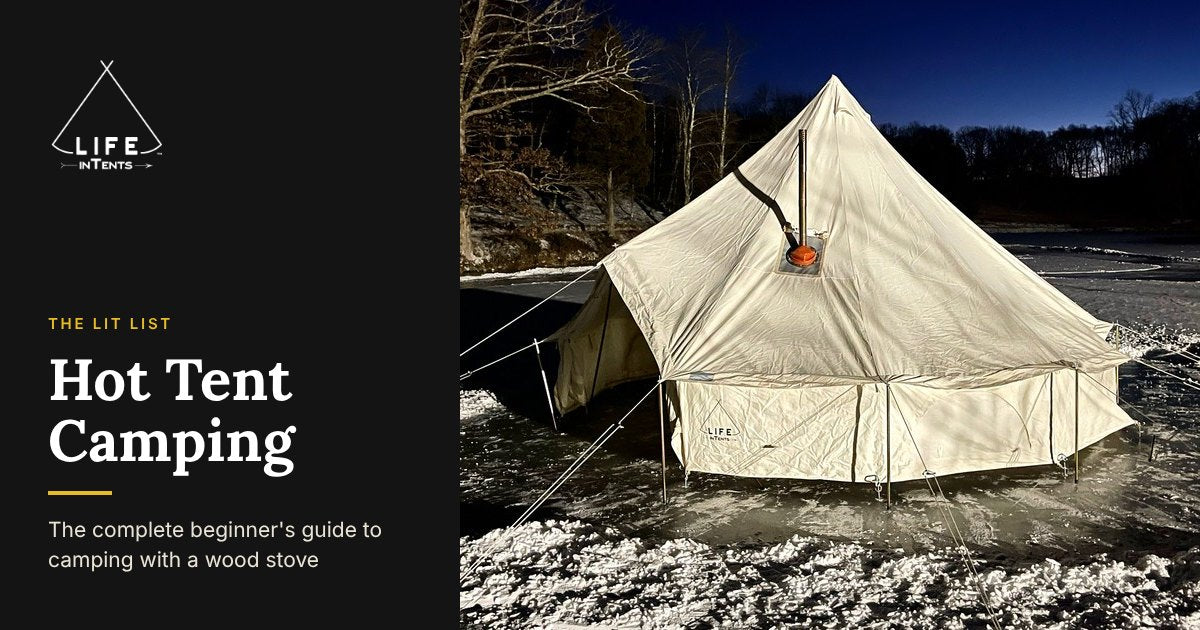
Hot Tent Camping: The Complete Beginner's Guide to Camping With a Wood Stove
There's nothing quite like stepping out of the snow and into a canvas tent warmed by a crackling wooHot tenting turns a canvas tent into a warm, dry basecamp with a real wood fire. Here's how to do it safely, from choosing a stove to your first night out, plus a printable gear checklist.

Camping Gift Ideas for People Who Have Everything
Camping is a great way to get outside and enjoy nature. But what do you do if the camper you are buyWe've assembled these camping gift ideas to help shop for a loved one. Browse unique camping gifts such as blankets, flasks, camp bags, lanterns, books, cots and more.